Local culture can give a business event a clearer sense of place when it is selected with care and explained accurately. Start with the host community and the event’s purpose, then choose a few meaningful elements with help from local contributors.
Separate a heritage visit from the meeting venue
UNESCO’s Hegra listing identifies the archaeological site with the Nabataean civilisation. UNESCO’s At-Turaif listing describes the district in Diriyah as the first capital of the Saudi Dynasty and an example of Najdi architecture founded in the fifteenth century.
When considering a heritage destination, ask its operator which space is available for a meeting, which is only accessible as a visit and which activities are permitted. Keep the meeting location and the heritage excursion separate in the invitation and contract. Use the UNESCO description only for the listed site itself, and refer to other venues in the destination by their own names.
Create a cultural brief with local contributors
Write down the story you want to communicate and ask a knowledgeable local contributor to review it. Select a small set of meaningful elements rather than combining motifs from different Gulf countries as interchangeable decoration. Agree names, explanations, image permissions and credit before production.
- Space and graphics: explain the source of an architectural reference and ask the designer to adapt it to the actual meeting layout.
- Food: ask the caterer to propose dishes connected to the host location and describe them accurately. Collect dietary needs, label ingredients and price the agreed menu.
- Activities: commission a craft demonstration or guided visit only when it fits the programme. Agree preparation time, payment, materials and how the contributor wishes to be introduced.
Protect time for the business purpose
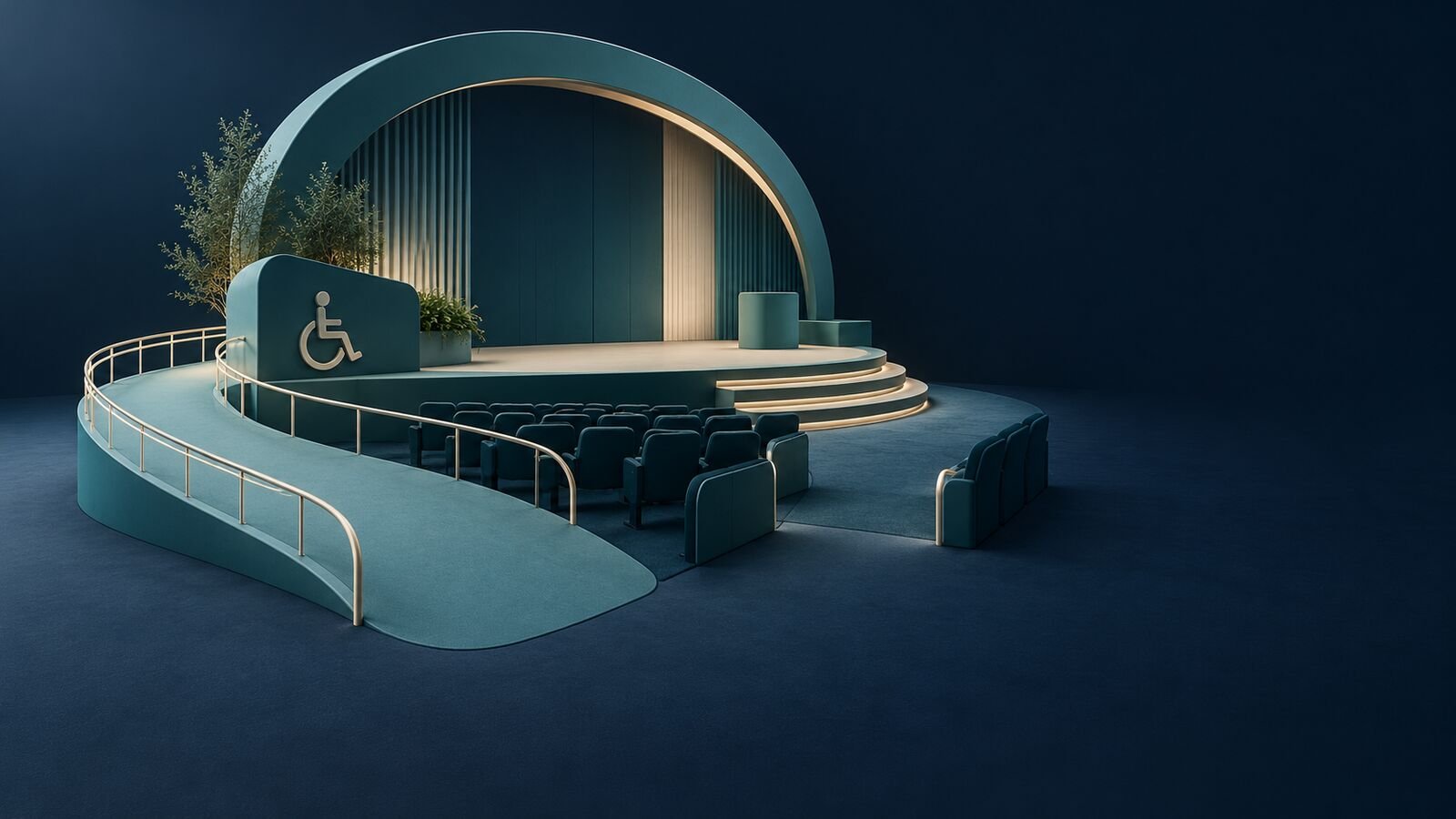
Place optional cultural activities around the core sessions, with enough travel and rest time. Offer an alternative for someone who cannot join a walk or does not want to be photographed. Ask guests what access support they need, and give clear information about the route, facilities and expected duration.
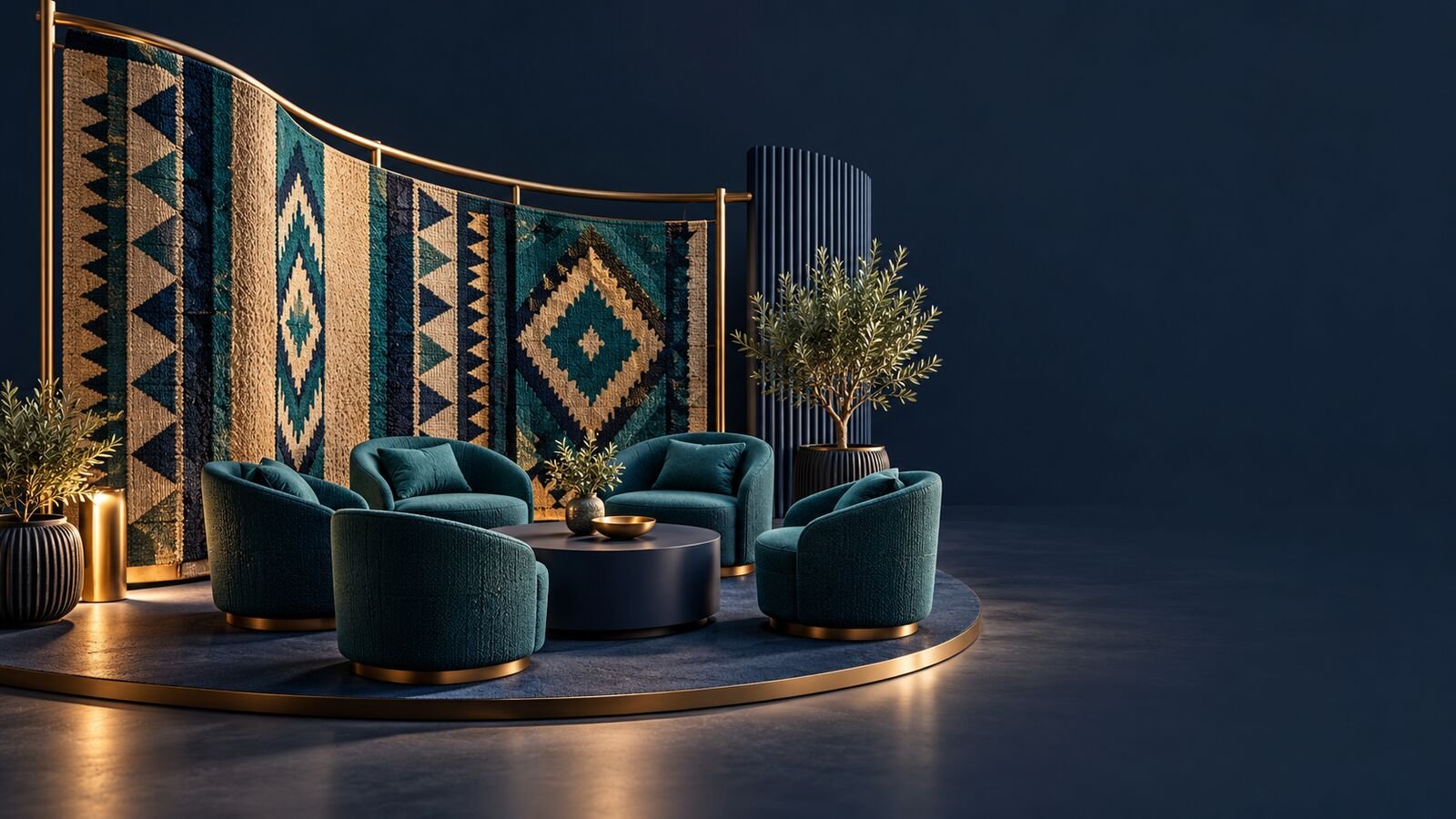
For a networking break, favour seating that lets people converse and an explanation guests can read or hear without interrupting a meeting. Design the programme so people can participate comfortably on their own terms.
Ask for operational answers before signing
Request written confirmation of access hours, guest capacity, load-in arrangements, sound and filming permissions, catering access and contingency space. Establish who approves the final set and programme. Compare complete proposals, including transport and any guide or contributor fees.
For an outdoor visit, agree how weather or access changes will affect the schedule and which indoor or meeting alternative is available. Build each activity around confirmed admission and the actual location, not a photograph of it.
Review the experience with evidence
Ask guests whether the explanations were clear, the optional activities accessible and the timing compatible with their meetings. Ask local contributors whether their work was represented accurately. Record issues and use this feedback to shape the next brief.
For related event discovery, browse Saudi Arabia’s events, then verify venue and programme details with the official organiser.